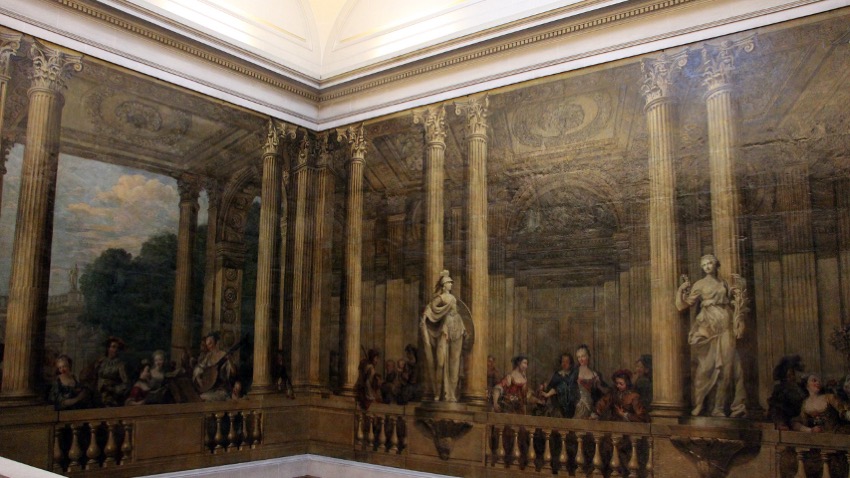
The Luynes Staircase at the Musée Carnavalet
“Pandora” (Chapter 13), lists several guests from the gathering, at the townhouse of the Duchess de Chevreuse who have historical counterparts, besides Marie Cessette, M. de Rohan, and Sylvine Mercier, who are fictional. Below is a…. “who is who” from the duchess’ guest list! Click here, find out why we picked that particular title for the chapter.
Catherine de Vivonne, Marquise de Rambouillet
Catherine de Vivonne, Marquise de Rambouillet (b. Rome, 1588 – 2 December 1665), known as Madame de Rambouillet, was a society hostess and a major figure in the literary history of 17th-century France.
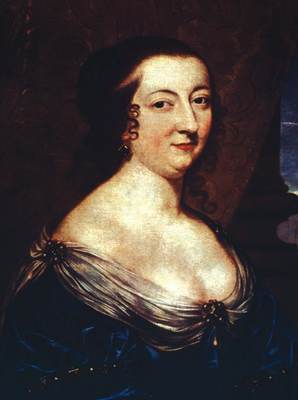
Armand de Gramont, Comte de Guiche
Armand de Gramont, Comte de Guiche (1637-1673) was considered the most handsome and elegant man in France (he was the most famous “playboy”,) and was the lover both of Henriette of England and of her husband, the younger brother of King Louis XIV, Philippe d’ Orleans (or Monsieur.)
In Twenty Years After Raoul joins the army of Prince Condé in Flanders. On his way to Flanders, Raoul saves the life of a young officer who turns out to be the Comte de Guiche (the son of the Marshal of France.) De Guiche and Raoul become best friends. De Guiche is in love with Madame Henriette of England.
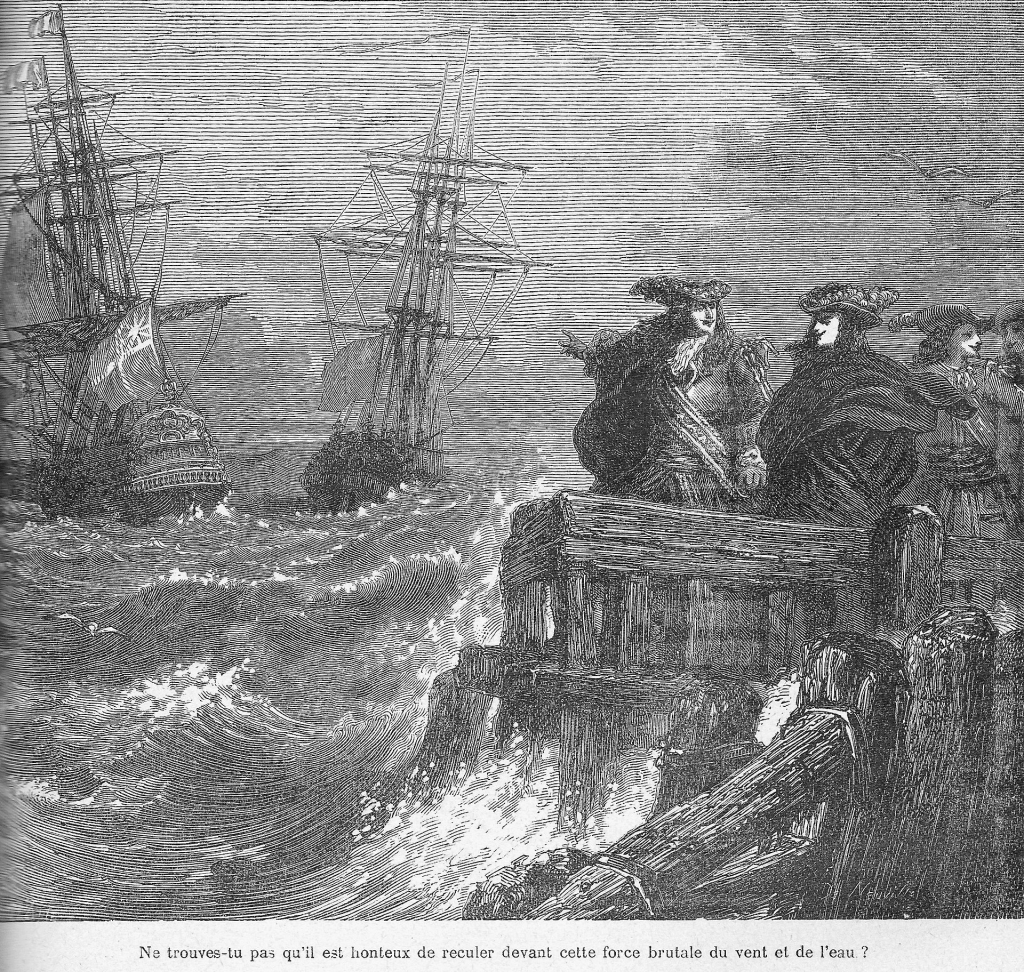
raoul and the comte de guiche waiting to receive henriette of england (dumas, twenty years after)
In our story, in “Twelve Years After”, Raoul arrives in Paris, fresh from Venice, as Porthos’ aide-de-camp and that is where he meets (the older) Guiche who is an officer in Porthos’ regiment, under Prince Condé. The two become friends and Guiche is Raoul’s guide to Parisian society and at court. In our version, Raoul fights at Lens under Prince Condé, but not with Guiche. Guiche is also Marie Cessette’s friend, as Marie Cessette comes to court to become a lady in waiting for Louis’ prospective bride, and eventually his wife,Henrietta Maria.
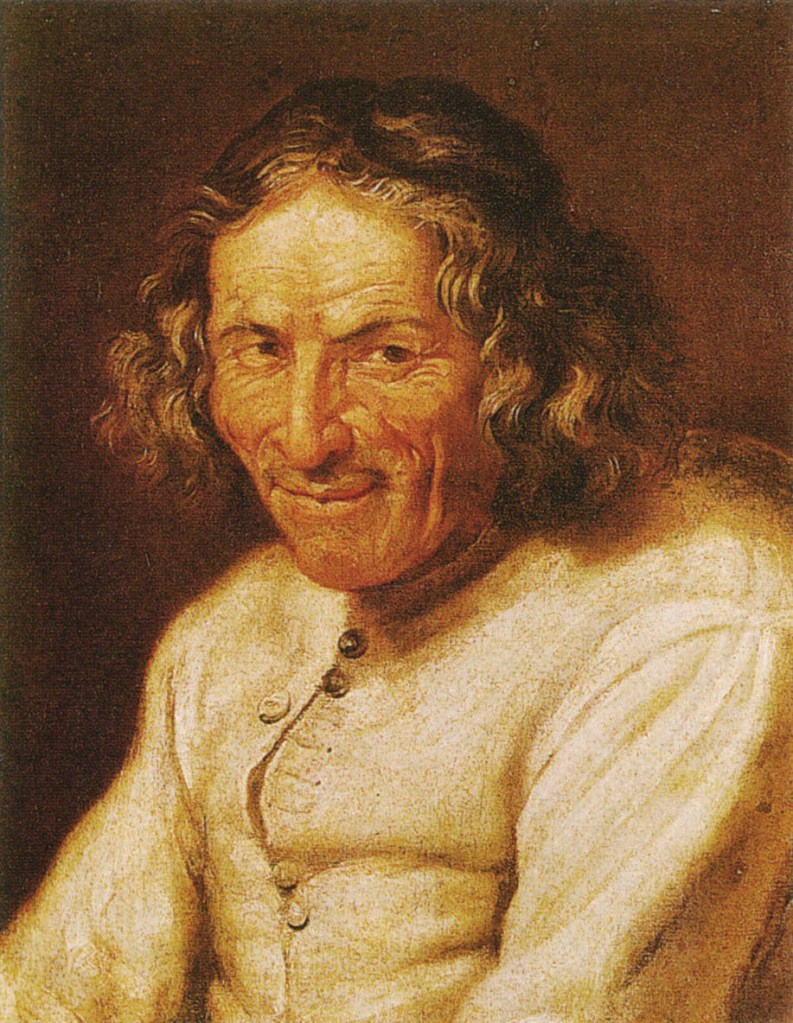
Paul Scarron
Paul Scarron (1610-1660) was a burlesque poet, author, and playwright. He suffered of tubercular rheumatism by the age of 30 although Dumas ascribes his disability to an accident (this was the prevalent rumor.) In 1648, he was recipient of the Queen’s patronage, thus he was known as “The Queen’s Patient.” He married Mademoiselle d’ Aubignè in 1652. His rooms at the Rue Turenne in Paris were a sought after “salon”.
Françoise d’Aubigné– Madame de Maintenon
Françoise d’Aubigné (1635-1719) married Scarron in April 1652, so at this instance in our story they are recently married. Françoise was daughter of Constant d’Aubigné (1585-1647) and granddaughter of Agrippa d’Aubigné (1552-1630) who was a friend of King Henry IV and a well-known, Protestant poet. Her father, Constant d’Aubigné, after having abjured his Protestant faith in 1618, murdered his first wife and her lover in 1619, then quickly spent the dowry of his second wife, Jean de Cardilhac the mother of Françoise, and was suspected of intelligence with the English with whom he had business relations. Thus, he spent a lot of time in various prisons. Françoise was born on November 27, 1635 in the royal prison of Niort (and baptized in Niort, Notre-Dame parish). This is where her father was incarcerated for debts. Jeanne de Cardilhac, his (too) young and penniless wife, shared the cell with her husband.
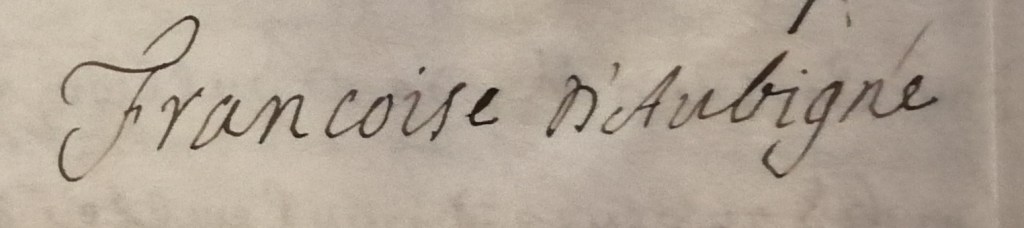
After her father’s release from Niort, Françoise spent her early childhood with Madame Villette, her Huguenot aunt, at the Château de Mursay, north of Niort. Then, and for six years, she lived with her parents at the colony of Martinique, where her father had obtained the position of governor of the Marie-Galante islands. Later, in Parisian circles she would be called “the beautiful Indian” (la belle indienne) because of that childhood connection. Françoise kept a strong memory of those years in Martinique, which she passed to her first husband Paul Scarron and her second husband King Louis XIV of France, who, in 1674, decided to intensify the cultivation of sugarcane in Martinique and in Saint-Domingue.
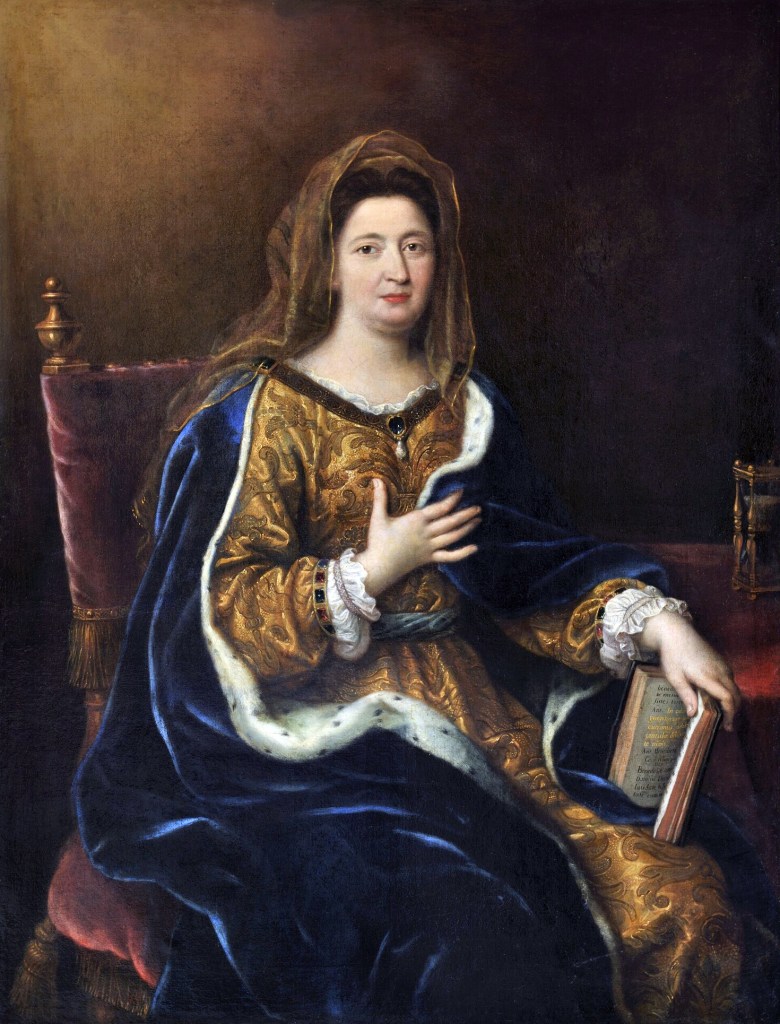
Françoise, her two brothers (one of whom would die in 1647), and her mother returned to France in 1647, where they learned about the death of her father who had abandoned his family in 1645 to seek recognition of his title of governor in France. Jeane de Cardilhac and the three children lived miserably in a single room near the port of La Rochelle, and the future Madame de Maintenon never forgot the humiliation, living in the cold and begging for food when she was twelve, as well as the despair of her mother, who in vain tried to navigate the world of Parisian lawyers without managing to retrieve any inheritance from her husband. Françoise was once again taken in by Madame de Villette, her aunt, a fervent Protestant. However, her godmother, Madame de Neuillant, who was a Catholic procured a letter of cachet from Anne of Austria to recover Françoise and allow her to practice Catholicism (Françoise was baptized in the Catholic faith), renouncing protestantism. Against her will, Françoise was placed with the Ursulines, at Saint-Jacques in Paris, where, influenced by the affection and kindness of a nun, Sister Céleste, she finally denounced Calvinism, an essential condition, that allowed her to accompany Madame de Neuillant in Parisian good society. It was in one such social gathering (or “salon”) that Françoise met the writer Antoine Gombaud (known as the Chevalier de Méré) who coined the name “beautiful Indian” (la belle indienne) for her, and offered to instruct her in the ways of society and the world.
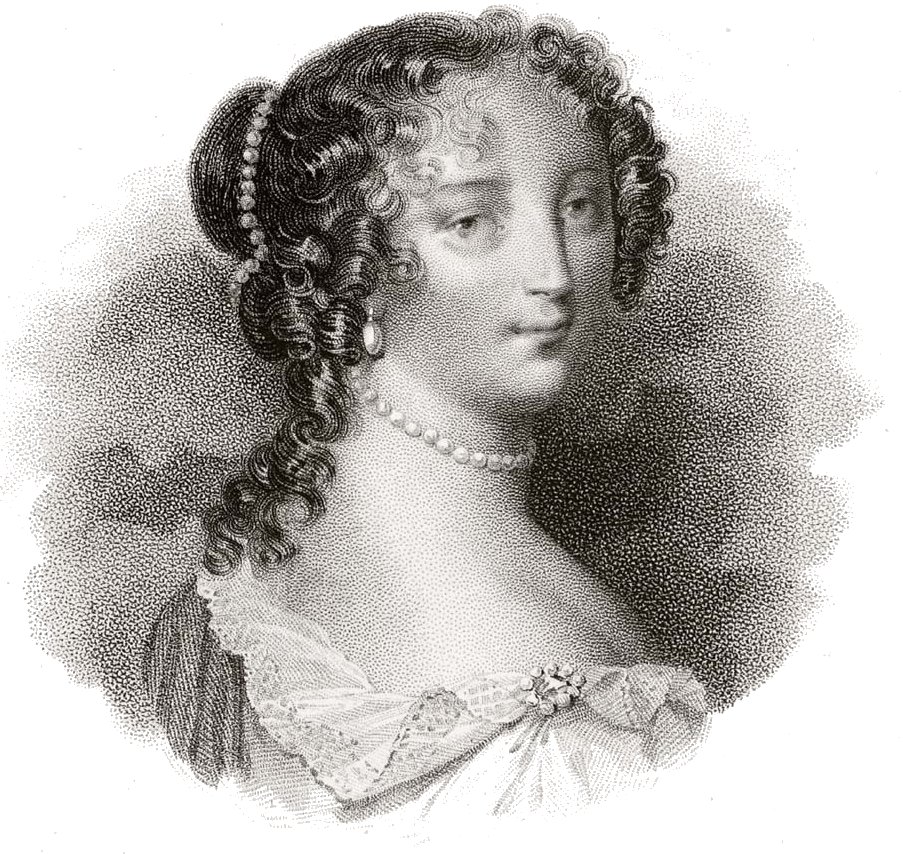
Four years after her return to France, in April 1652, at the age of sixteen, Françoise d’Aubigné, penniless but pretty and wise, married the burlesque poet Paul Scarron, twenty-five years her senior and seriously handicapped. His rooms at the Rue Turenne were always crowded by a “who is who” of Parisian society. He offered to give the orphaned and penniless Françoise a dowry so that she could enter a convent or so that she would marry him. She chose the latter. Scarron himself wrote in the marriage contract: “The bride brings as dowry… two large, very mischievous eyes, a very beautiful bodice, a pair of beautiful hands and a lot of wit.” Françoise influenced the second part of Scarron’s work and his life. In fact he invested 3,000 pounds in a company trading with Martinique. To please her also, he agreed to remove some overly bawdy lines from his writings. Madame Scarron became the host of her husband’s gatherings at their house at the Rue Turenne. She built up a network of influential people from the Marais, including Françoise-Athénaïs de Montespan (who succeeded La Valliere as King Louis’ mistress), Madame de la Fayette, Madame de Sévigné, Ninon de Lenclos (the historical counterpart of the character Ninon de Larroque in the BBC Musketeers), and many others.
Scarron died in 1660, when Françoise was twenty-five leaving her only debts. However, from her marriage, Françoise had earned significant connections. They solicited Anne of Austria to grant Scarron’s widow a pension of 2,000 livres. Upon the death of Anne of Austria the pension was reinstated after the intervention of Madame de Montespan, now a lady-in-waiting of Henriette, duchesse d’ Orléans. After her husband’s death Françoise became mistress of Louis de Mornay, Marquis de Villarceaux, for three years, before ending her relationship to preserve her reputation. From that point on, she created an image of herself as a pious and religious woman, evidenced also by her correspondence with Abbot François Gobelin, her confessor since 1666.
In 1668, Madame de Montespan (Louis’ official mistress since 1666) offered the widow Scarron a position as governess of the royal illegitimate children and Françoise accepted (1669) because she loved children, but also, and above all, because she knew well that one always gained by serving the King. In fact, she refused the position of lady-in-waiting to the Queen of Portugal, opting for governess of Montespan’s (and the King’s) illegitimate children instead. She settled in the Faubourg Saint-Germain, close to Vaugirard between 1672-4 where she met the King for the first time.
She returned to court in 1673, during the legitimization of royal illegitimate children, but this time, she had to face the growing jealousy of the King’s Maîtresse-en-titre, her old friend, Madame de Montespan. The conflict was such that Françoise threatened to resign and the King gave her an extraordinary gratuity of 100,000 écus so that she would stay.
In 1674, the year of the dissolution of the French West India Company, the widow Scarron acquired a new tobacco farm, a tax monopoly on the 2.5 million pounds of tobacco produced annually in the colony of Saint-Domingue , which the king entrusted to her and which she quickly sold to a consortium of financiers led by the banker Antoine Crozat, a future entrepreneur in Louisiana. In December 27, 1674, with money from that tobacco farm resale, she bought the castle and title of Maintenon from Françoise d’Angennes, wife of Odet de Riantz, Marquis of Villeroy, and heiress of Charles François d’Angennes , Marquis of Maintenon. The latter was governor of Marie-Galante (the title that Françoise’s father had coveted). The king’s illegitimate children, first raised on rue de Vaugirard, were then also raised at the castle of Maintenon.
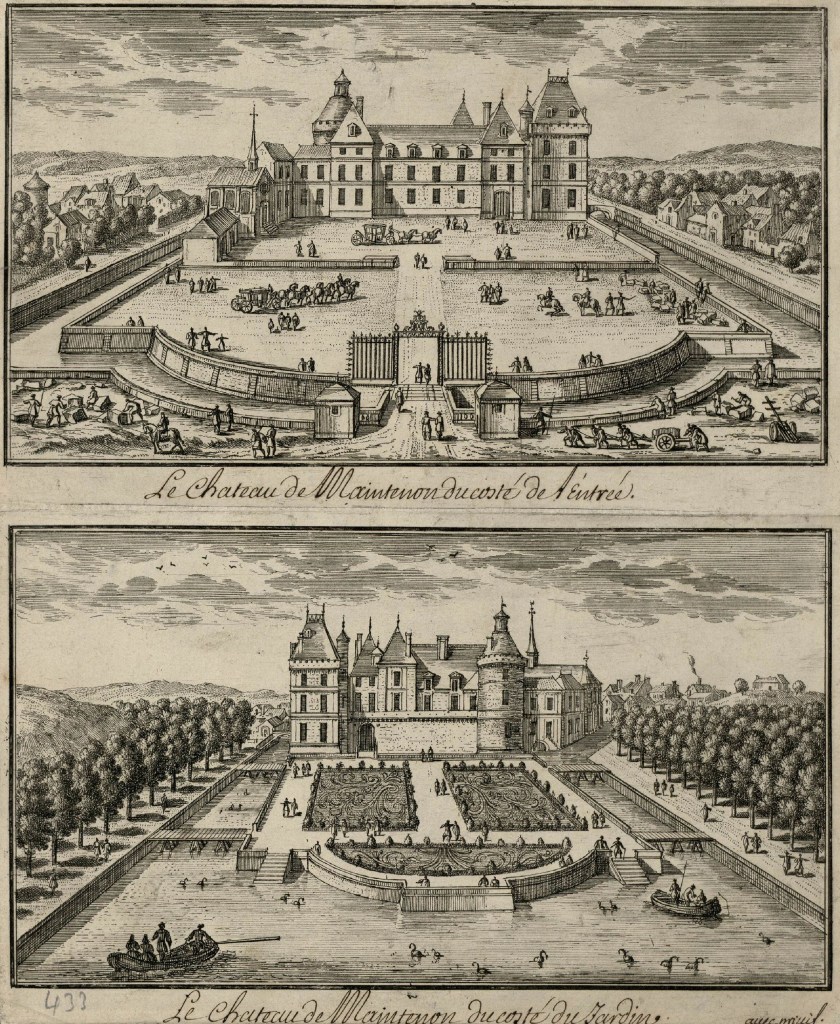
The château de maintenon at the time
Although they had met before, the king did not seem to appreciate Madame de Maintenon at first. But he got used to her and began to become irremediably attached to her when she seemed to show a grief “more keen than that of Madame de Montespan” following the death of the King’s favorite’s eldest daughter at the age of three, on February 23, 1672.
She then went to Barèges to treat the duc de Maine, crossing the Tourmalet pass in 1675. From then on, everything accelerated, her favour grew, Louis XIV gave her the position of second lady-in-waiting to the dauphine Marie-Anne of Bavaria on January 8, 1680, a position especially created for her. She and the King were in every way a “parental couple” for all of the King’s illegitimate children, which he loved. At the same time the King was tired of Madame de Montespan, who was seriously compromised in the “poison affair” and his other mistress, Mademoiselle de Fontanges died in 1681 after giving birth in 1679 (at the time it was thought that she was poisoned but most likely she died of natural causes, albeit not in childbirth). On July 30, 1683, Queen Maria Theresa also died, which relieved the conscience of the King and of Madame de Maintenon. The King, who always sought women at his side, saw this as a moment of “conversion”, Maintenon’s good influence leading him away from sins of the flesh. Seeing no use in a political union with the Infanta Isabella Louise of Portugal or the Princess Anne Marie Louise de Medici, who were favorites in the list of possible new French queens, Louis quickly leaned towards a marriage of inclination with the one he loved and who was called by the courtiers “Madame de maintenant.” Thus, Françoise, the impoverished orphan who was born in a prison, married Louis XIV in a secret ceremony in 1684.
She brought an era of austerity and devotion to court, at the end of Louis’ reign that clashed with the previous era of flamboyant exhibitions, excess, and lavishness. Although she did not bring about significant changes in the political life of France, she convinced Louis to create the Royal House of Saint-Louis in Saint-Cyr, a boarding school for the education of noble but poor girls. The school, founded in 1686 not far from the palace of Versailles, was significant. Daughters of officers who died in wars or whose health and fortunes were ruined because of wars could find shelter and an education there and contract advantageous marriages. These girls, aged 7-20 were taught music, theater, literature, etc and many grew up to be well known, influential women in the 18th c.
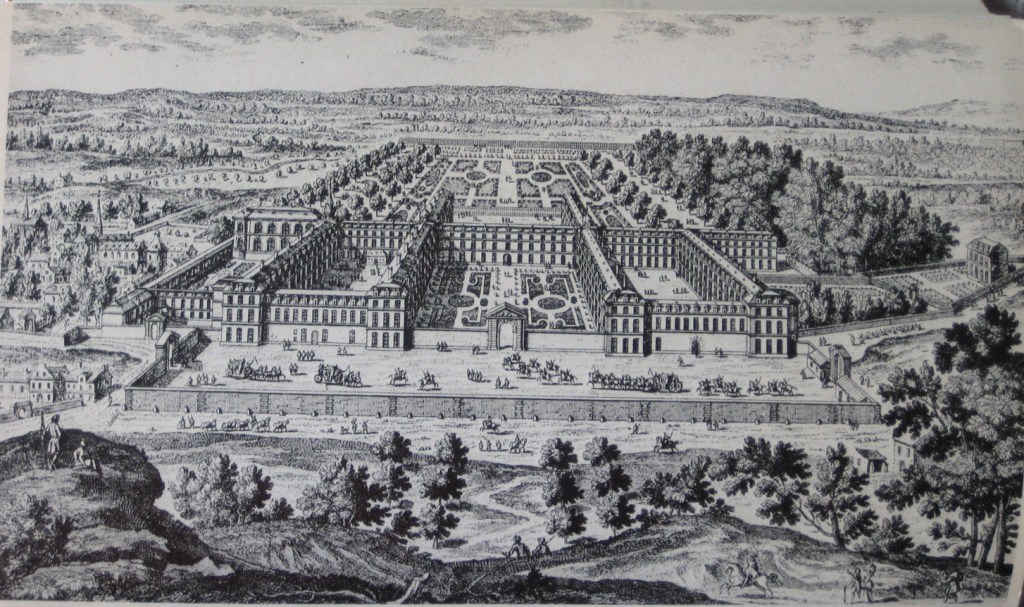
the Maison royale de Saint-Louis beg. 18th c.
Three days before the death of Louis XIV in 1715, Madame de Maintenon retired to the Royal House of Saint-Louis in Saint-Cyr. There she received a visit from Tsar Peter the Great on June 11, 1717, who had come to “see all that was worthwhile in France.” She died on April 15, 1719 four years after her royal husband at the age of 83.
François de Vendôme, duc de Beaufort
He appears in the BBC Musketeers Season 3 briefly (The Hunger), but besides the name, the character has little in common his historical counterpart.

François de Vendôme, duc de Beaufort (1616-1669) was the grandson of King Henry IV (=father of King Louis XIII) and his royal mistress Gabrielle d’ Estrèes. He was imprisoned at Vincennes in 1643 for plotting with Madame de Chevreuse against Cardinal Mazarin. De Beaufort escaped from Vincennes on Whit Sunday (May 31) 1648. He was known as “Roi Les Halles” (King of the Markets,) for his support of the rioting citizens of Paris. In 1653, he made his peace with King Louis XIV and later served him in the Mediterranean. He was killed at the siege of Candia (modern Heraklion, Crete.) Despite all these honors and titles, he was not particularly bright and he was known for his nonchalance and his malapropisms.
Dumas portrays him as nonchalant and cavalier. He makes much of his malapropisms. His escape from Vincennes on Whit Sunday is a major plotline in Twenty Years After. In Dumas, the escape is organized by Athos, Aramis (who is a Frondeur, a Jesuit, and lover of Madame de Longueville,) and Madame de Chevreuse (Athos’ lover and Raoul’s mother,) and carried out single-handedly by Grimaud, Athos’ brilliant servant (=not the same character as the BBC Season 3 and our character “Lucien Grimaud”). Dumas describes how during his captivity, which was supposed to be for life, the duc “tortured” his jailers, especially the governor of the prison M. de Chavigny with all kinds of childish tricks. He returns in Man in the Iron Mask launching a campaign in Algiers against the Barbary corsairs. Devastated by La Valliere’s rejection Raoul volunteers to join him. Raoul is killed at Gigelli (La Goulette or Halq al-Wadi in Tunis).
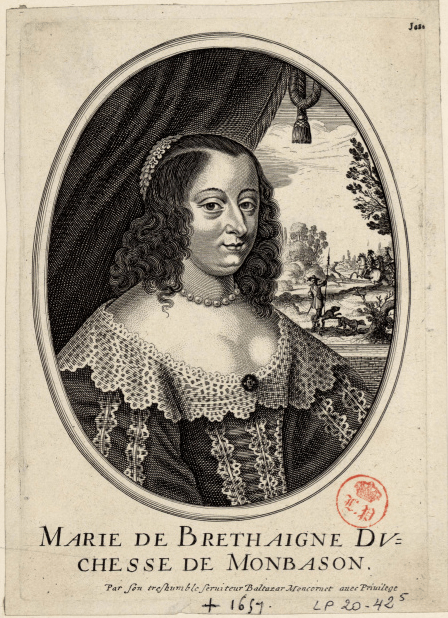
Marie d’ Avaugour de Bretagne, Duchess de Montbazon
Marie d’ Avaugour de Bretagne, Duchess de Montbazon (1612-1657), second wife of the Duc de Montbazon, father of Madame de Chevreuse. She was Beaufort’s mistress. She was involved in court intrigues and known for her dazzling beauty, her avarice, and her multiple affairs.
Philippe I, Duc d’ Orléans (styled Petit Monsieur; later: Monsieur)
Monsieur Philippe I, Duc d’ Orléans (21 September 1640 – 9 June 1701) was the younger son of King Louis XIII of France (not Aramis!) and Anne of Austria, and the younger brother of King Louis XIV. He was the founder of the House of Orléans, a cadet branch of the ruling House of Bourbon. Styled Duke of Anjou from birth, Philippe became Duke of Orléans upon the death of his uncle Gaston in 1660. He was also granted the dukedoms of Valois, Chartres and Nemours.
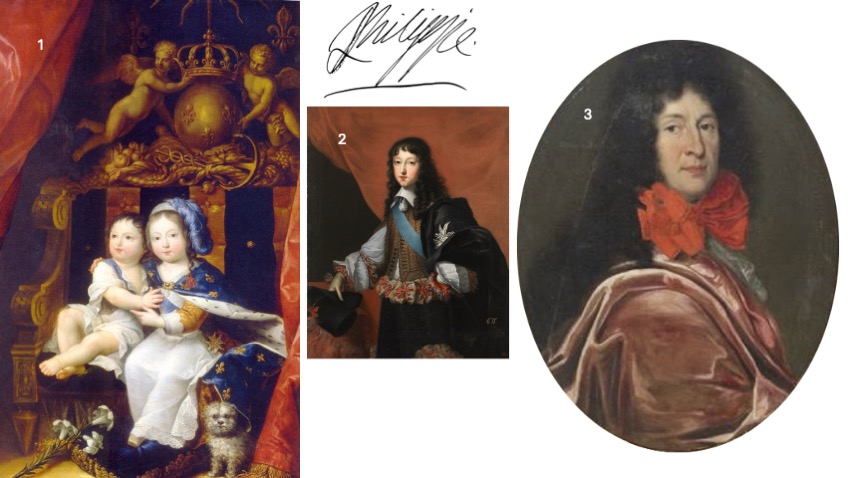
1. Philippe and his elder brother, the future Louis XIV, by an unknown painter; 2. Portrait sent by Anne of Austria to her brother, Philip IV, c. 1650 by Jean Nocret; 3. Later portrait c. 1695 after Hyacinthe Rigaud
Known as le Petit Monsieur or simply Monsieur, Philippe was a distinguished military commander and took part in the War of Devolution and the Franco-Dutch War, the latter of which saw his victory over William of Orange at the Battle of Cassel. Throughout his life, Philippe was open about his preference for male lovers, most notably the Chevalier de Lorraine, and freely acted with effeminacy. He married twice, first to Henrietta of England and then to Elizabeth Charlotte of the Palatinate. Two of his daughters, Marie Louise and Anne Marie, became queens consort of Spain and Sardinia, respectively, while his son Philippe II served as regent of France from 1715 to 1723.
The Chevalier de Lorraine
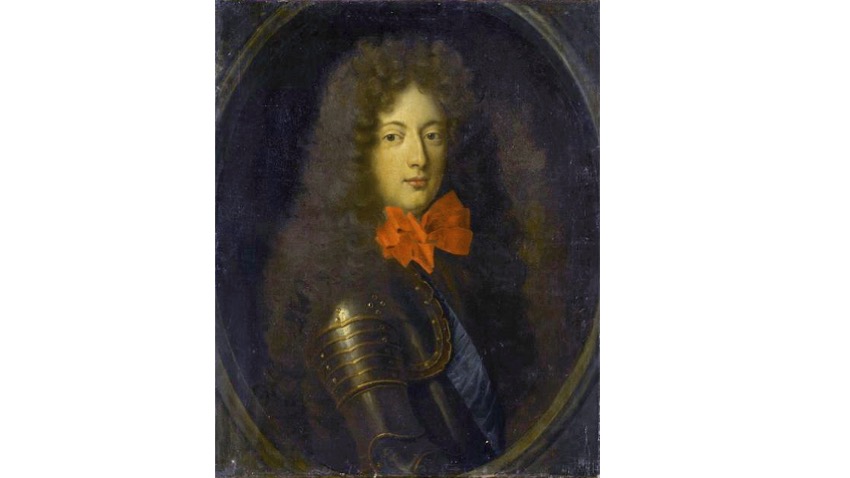
Philippe of Lorraine (1643 – 8 December 1702) was a nobleman, descendant of the Dukes of Elbeuf, member of the House of Guise, cadet branch of the House of Lorraine. He was the renowned lover of Philippe I, Duke of Orléans, brother of Louis XIV. Clearly, in 1652 he would be too young for this story, but we aged all these characters, including Louis XIV–Dumas does the same, but also the BBC series timeline makes many of the “new generation” characters older (e.g. Louis).
Philippe Jules Mancini, 8th Duke of Nevers
Philippe Jules Mancini, 8th Duke of Nevers (1641–1707) was the nephew of Cardinal Mazarin. He was the brother of the five famous Mancini sisters, who, along with two of their female Martinozzi cousins, were known at the court of King Louis XIV of France as the Mazarinettes.
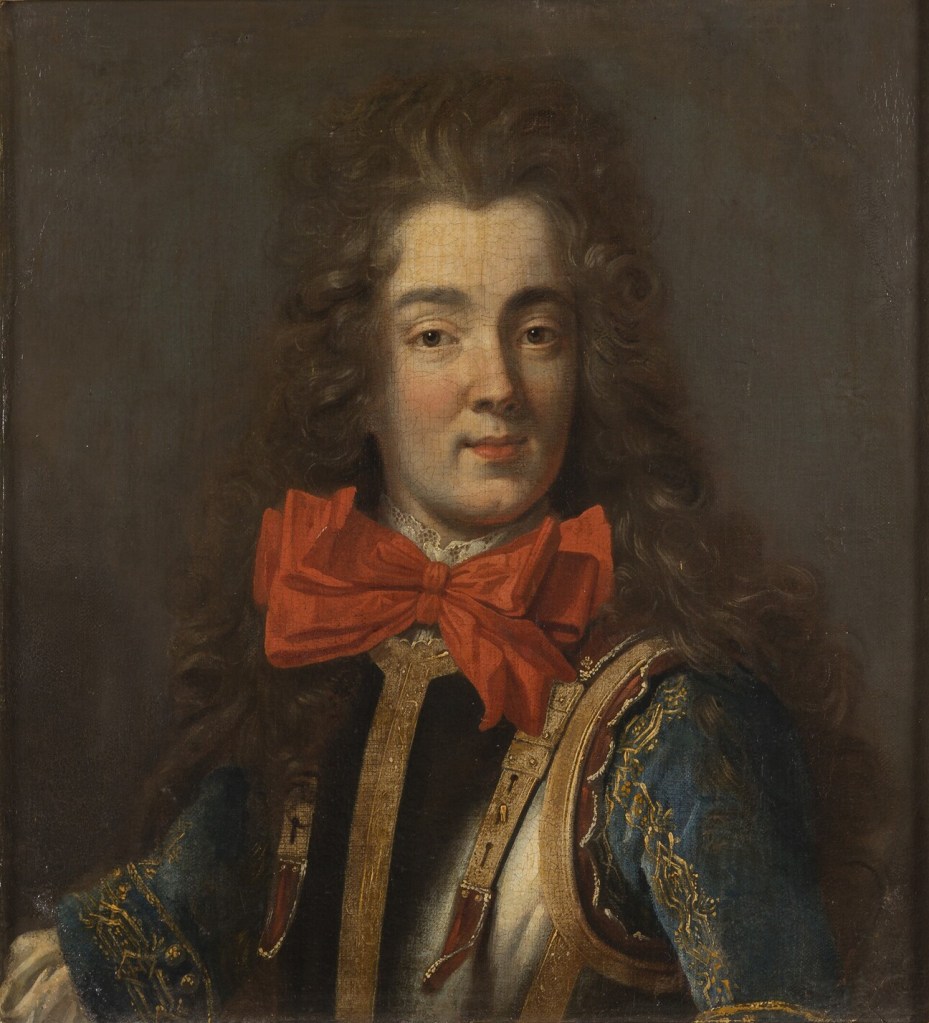
Soon after his arrival in France from Rome, his uncle, Cardinal Mazarin, decided to use him as a tool to avert future conflict within the kingdom, of the kind that existed between Louis XIII and his brother Gaston. So, Queen Anne and Mazarin decided to protect the dauphin (Louis) by making sure that his younger brother, Philippe, the duc d’Anjou, had no part in any political or military office. During his youth, Anjou’s behavior was closely watched by the dowager queen and Mazarin, who made sure that the young duc had no meaningful financial freedom from the Crown. His income was to be derived solely from his appanage. The queen and Mazarin discouraged the duc d’Anjou from traditional manly pursuits such as arms and politics, and encouraged him to wear dresses, makeup, and to enjoy feminine behaviour. His inclination toward homosexuality was not discouraged, with the hope of reducing any threat he may have posed to his older brother. Reportedly, Cardinal Mazarin even commanded his nephew, Philippe, to de-flower the king’s younger brother.
In 1657, Cardinal Mazarin re-established the Mousquetaires du Roi. His nephew, Philippe was awarded the position of captain-lieutenant. In 1661, after the Cardinal’s death, jurisdiction over the musketeers passed to Louis XIV. He replaced Philippe in 1667 with Charles de Batz-Castelmore, comte d’Artagnan. The comte had been in actual control of the unit since joining in 1658, as Philippe was not interested in war and rarely accompanied the musketeers in battle.
As a young man, Philippe frequented the salon of Paul Scarron. Scarron’s young wife, the future Madame de Maintenon, became friends with Philippe’s sister Marie Mancini. In 1660, Philippe was nominated to be duc de Nevers and Donzy by his uncle, Cardinal Mazarin, with the prerogative to strike coins. The Parlement of Paris, however, refused to register this new creation. Another creation in 1676 was no more successful. In 1661, Philippe inherited part of his uncle’s colossal wealth, the majority of which went to his younger sister, Hortense, who was their uncle’s favourite.
In 1668, Philippe helped Hortense escape her abusive husband by procuring horses and an escort to help her travel to Rome, where she took refuge with their sister, Marie, now the Princess Colonna. He was a knight of the Order of the Holy Spirit.
In 1670, Phlippe married Diane Gabrielle Damas de Thianges (1656–1715), daughter of Gabrielle de Rochechouart de Mortemart and niece of Louis XIV’s mistress, Madame de Montespan. They had six children.
Anne-Geneviève de Bourbon
Anne-Geneviève de Bourbon (28 August 1619 – 5 April 1679) was known for her beauty, her love affairs, her influence and political involvement in the Fronde, and her final conversion to Jansenism. Anne Geneviève was the only daughter of Henri de Bourbon, Prince of Condé, and his wife Charlotte Marguerite de Montmorency, and the sister of Louis, le Grand Condé (the Condé in our story). She was born in the prison of the Château of Vincennes where her father and mother had been thrown for their opposition to Concino Concini, the favorite of Marie de’ Medici, when she was regent.
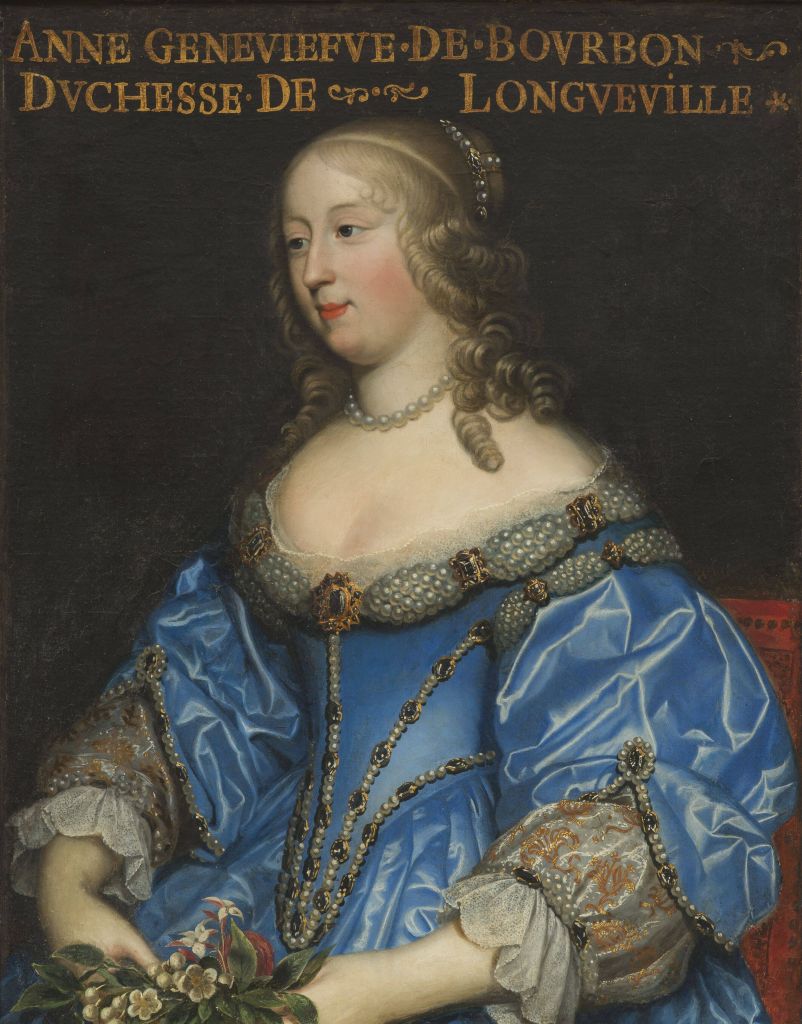
Anne Geneviève received a strict education in the convent of the Carmelites in the Rue Saint-Jacques in Paris. Her early life was clouded by the execution of Henri of Montmorency, her mother’s only brother for plotting against Richelieu in 1632, and the execution of her mother’s cousin the Count François de Montmorency-Bouteville for duelling in 1635. Her parents made their peace with Richelieu, and being introduced into society in 1635 Anne-Geneviève soon became one of the stars of the Hôtel de Rambouillet.
In 1642, she was married to Henri II d’Orléans, duc de Longueville, governor of Normandy, a widower twice her age. The marriage was an unhappy one. After Richelieu’s death, her father became chief of the regency council during the minority of Louis XIV, and her brother Louis won the great victory of Rocroi in 1643. In 1646, she accompanied her husband to Münster, where he was sent by Mazarin as chief envoy, and where she charmed the German diplomats who were negotiating the treaty of Westphalia and was addressed as the “goddess of peace and concord.”
She fell in love with the duc de la Rochefoucauld, the author of the Maxims, who made use of her love to obtain influence over her brother, and thus win honors for himself. She exerted significant political influence during the first Fronde, when she brought over Armand de Bourbon, Prince de Conti, her second brother, and her husband the duc de Longueville to the cause of the Frondeurs. She failed to attract Condé himself, whose loyalty to the regent Queen and the Cardinal overthrew the first Fronde. The peace at the end of the first Fronde did not satisfy her, although La Rochefoucauld won the titles he desired. The second Fronde was largely her work, and in it she played the most prominent part, finally attracting Condé and Turenne to the rebel cause. In the last year of the war, she was accompanied into Aquitaine by the duc de Nemours, and that intimacy gave La Rochefoucauld the excuse he needed to abandon her for his former mistress the duchesse de Chevreuse. Later in life Anne Geneviève converted to Janeism.
She had four children: Charlotte Louise, Mademoiselle de Dunois (1645–1664), Jean Louis Charles d’Orléans, Duke of Longueville (1646–1694), Marie Gabrielle (1646–1650), and Charles Paris d’Orléans, Duke of Longueville (1649–1672).
In our second book “The Florentine Conspiracy” we see her in action. Porthos escorts her to Normandy where she is involved in raising an army and fighting against the forces of Queen, Dauphin, and Cardinal while her husband, brother, and brother-in-law are imprisoned.
Anne de la Vigne
Anne de la Vigne (1634–1684) was a French poet and natural philosopher who was a follower of René Descartes. Her ode, entitled “Monseigneur le Dauphin au Roi,” obtained great reputation
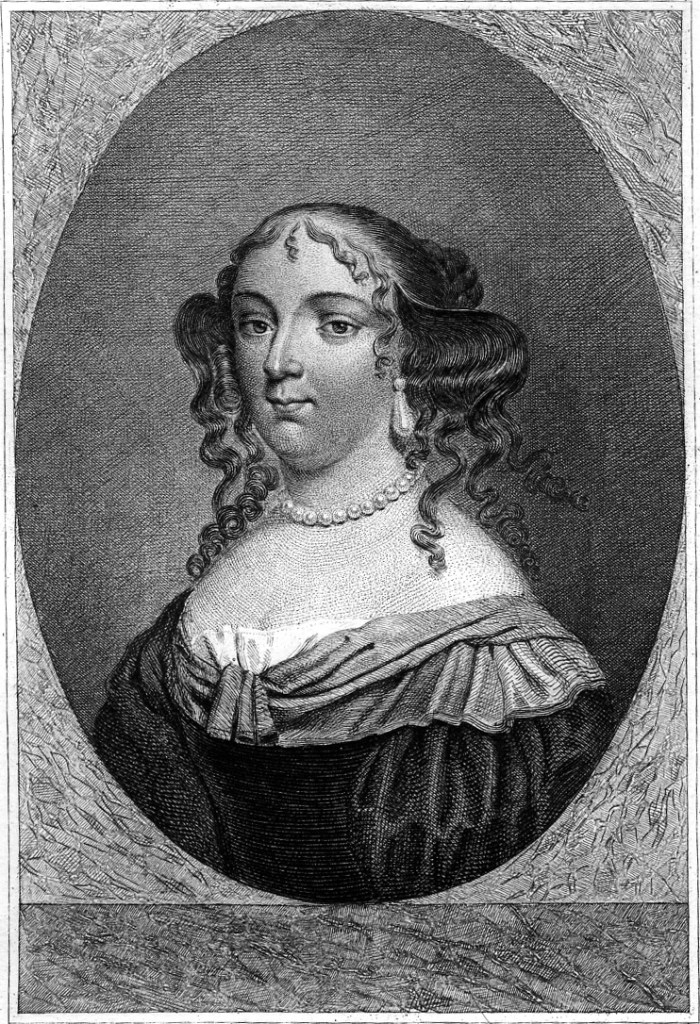
Henriette de Coligny de La Suze
Henriette de Coligny de La Suze (1618 – March 10, 1673) was a French writer, daughter of Anne de Polignac and Gaspard de Coligny, duc de Châtillon, who served under Louis XIII, and was appointed Marshal of France in 1622.
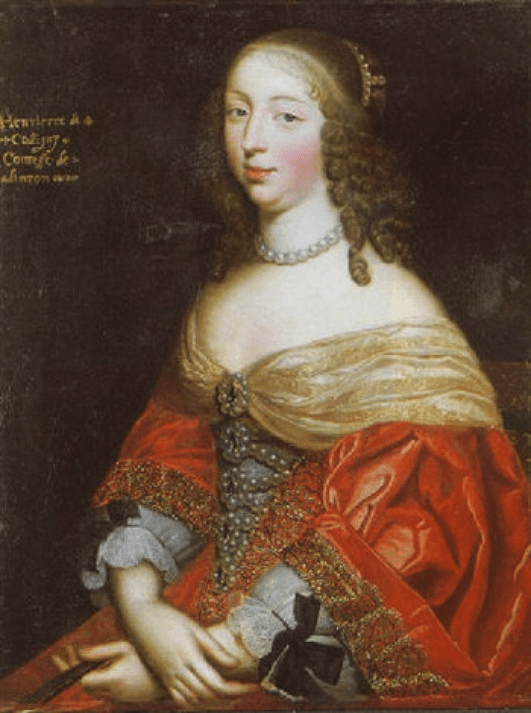
In 1666, she published a collection of 21 of her poems as Poésies de Madame la Comtesse de La Suze, but she also contributed verse and prose to many other collected works. Ninety-five of her poems appear in L’amour raisonnable, part of Recueil de pièces galantes en prose et en vers. She was married twice: first, in 1643, to Thomas Hamilton, 3rd Earl of Haddington, who died in February 1645, and then, in 1647, to Gaspard de Champagne, comte de la Suze. Originally a Protestant, she converted to Catholicism in 1653. Her second marriage was annulled in 1661 on the grounds of impotence.
Jean Loret
Jean Loret (ca 1600-1665) was a writer and poet known for publishing the weekly news of Parisian society (including, initially, its pinnacle, the court of Louis XIV itself) from 1650 until 1665 in verse in what he called a gazette burlesque. He is sometimes referred to as the “father of journalism” as a result of his topical writings. Loret was able to escape government censorship until 1652, after which the government forbade Loret from writing about matters of Church or State.
The verses Loret wrote in the gazette burlesque were in the form of letters to Marie d’Orléans-Longueville (Marie de Nemours, 1625-1707). They were assembled and published in three volumes as La Muse historique (1650, 1660, 1665).
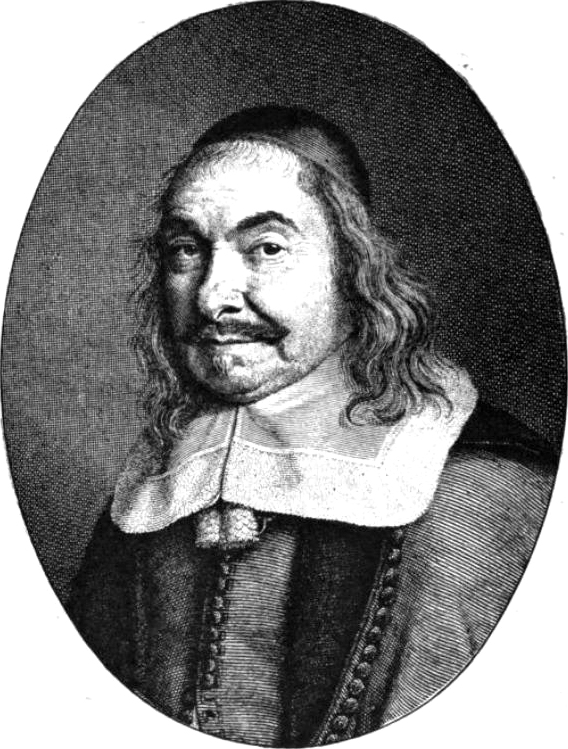
Loret’s patron was Nicolas Fouquet and when Fouquet was arrested, Loret was one of several members of French society who came to his defence.
After his death, several other writers continued the tradition of gazette burlesque until nearly the end of the century.
Nicolas Fouquet
Nicolas Fouquet, marquis de Belle-Île, vicomte de Melun et Vaux, (27 January 1615 – 23 March 1680) was the Superintendent of Finances in France from 1653 until 1661 under King Louis XIV. He had a glittering career, and acquired enormous wealth.
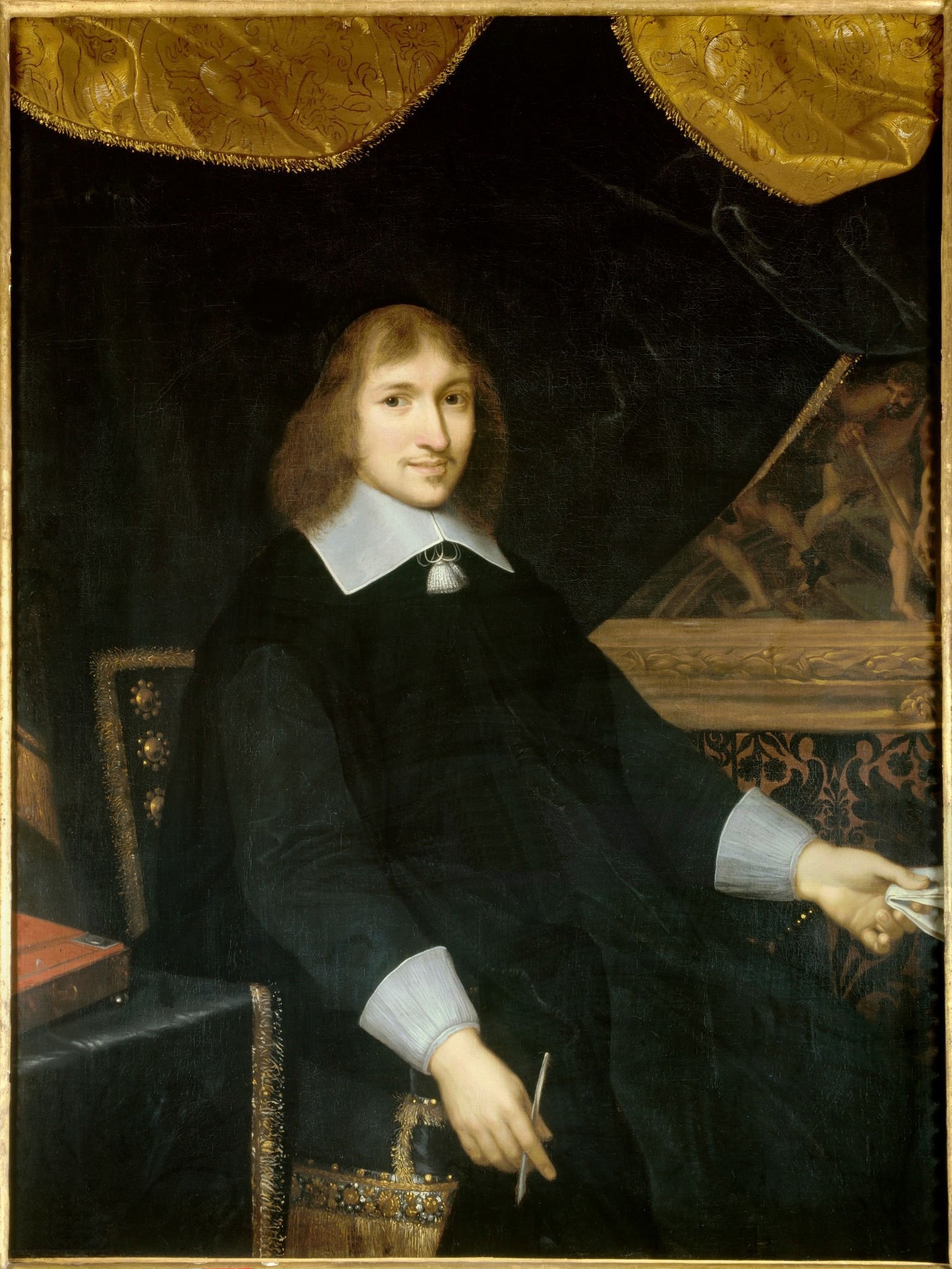
He fell out of favor, accused of peculation (maladministration of the state’s funds) and lèse-majesté (disrespect to the monarch). The accusations were punishable by death but the king had him imprisoned from 1661 until his death in 1680. The arrest was made by d’ Artagnan (historical d’ Artangan), the lieutenant of the King’s Musketeers. The trial lasted three years and was questionable even by the standards of the 17th c. For example, the officials charged with the investigation answered to Fouquet’s arch-enemy Jean-Baptiste Colbert who had also handpicked the prosecutors and judges. In December 1664, Fouquet was taken to the prison fortress of Pignerol in the Alps (now in Italy). He remained there, incarcerated in harsh conditions, until his death in 1680. There, Eustache Dauger, the man identified by historical research as the Man in the Iron Mask but whose real name never was spoken or written, is said to have served as one of Fouquet’s valets. However, the link between Fouquet’s imprisonment and the Man in the Iron Mask is controversial.
In Dumas:
Fouquet’s story is often entwined with that of the historical d’ Artagnan and the Man in the Iron Mask. As such, he is a pivotal character in Alexandre Dumas’ novel The Vicomte de Bragelonne, where he is depicted heroically. Aramis, an ally of Fouquet, tries to seize power by replacing Louis XIV with his identical twin brother. It is Fouquet who, out of sheer loyalty to the crown, foils Aramis’s plot and saves Louis. This does not, however, prevent his downfall.
Talked about but not at the duchess’ salon:
Monsieur de Chavigny
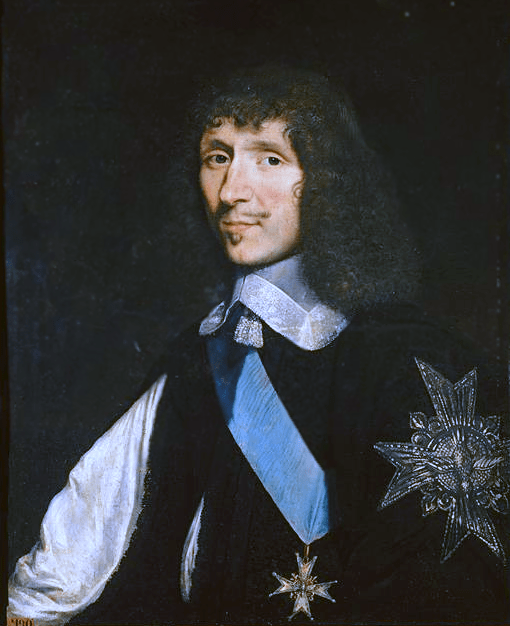
Lèon Le Bouthillier, Comte de Chavigny (1608-1652) was a Minister of State and member of the Regency Council. He had been appointed Governor of the Château de Vincennes by Richelieu. There was a rumor that he was Richelieu’s son.
Jean François Paul de Gondi, Cardinal de Retz
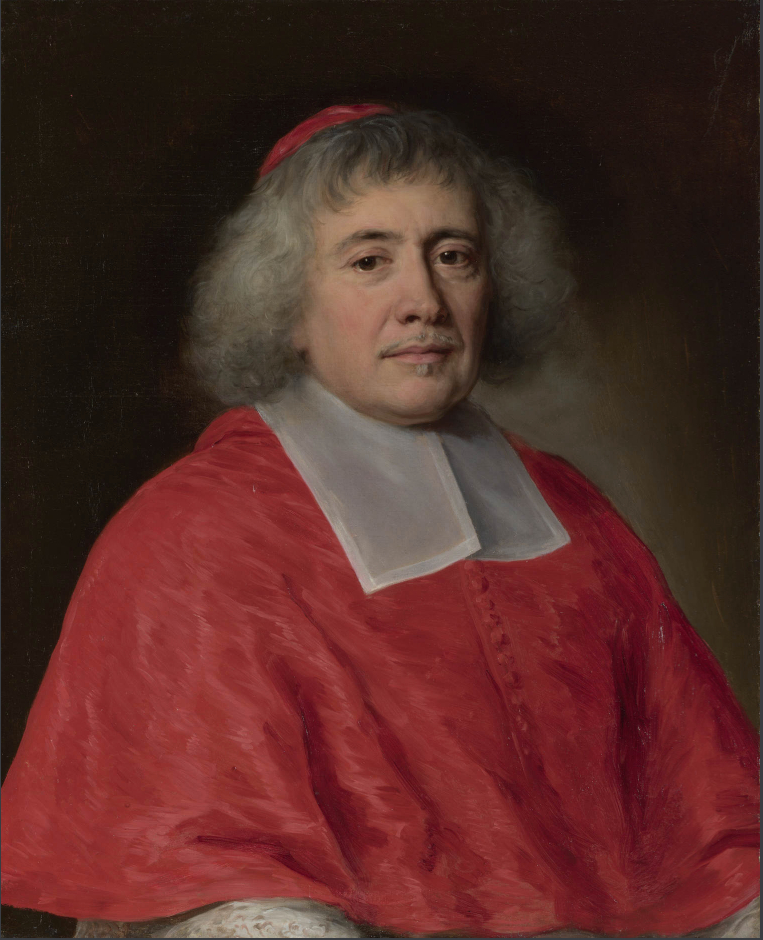
Jean François Paul de Gondi, later Cardinal de Retz (1613-1679) was named Coadjutor to his uncle the Bishop of Paris in 1643 and became a cardinal in 1652. A leading figure in opposing Mazarin in the first Fronde, he rallied to the Queen’s party in the second. He is a significant character in Dumas’ Twenty Years After and in our “Twelve Years After”.
Louis, Le Grand Condé
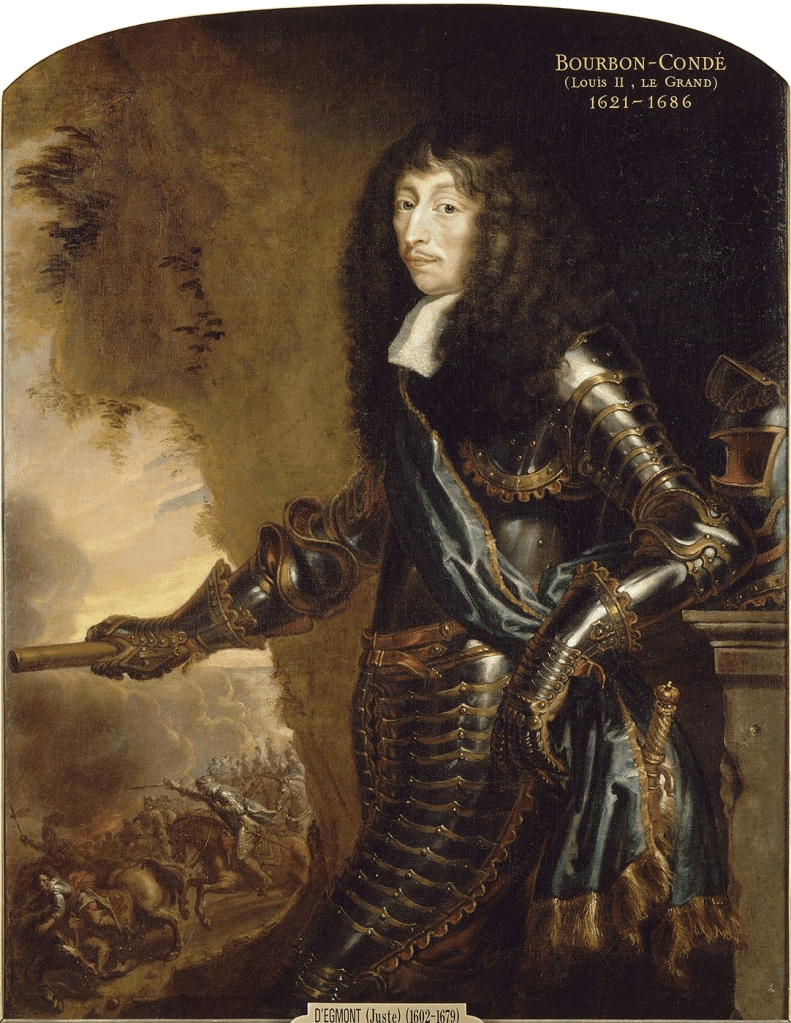
Louis II de Bourbon, Prince of Condé (8 September 1621 – 11 December 1686), known as le Grand Condé, was a military commander. A tactician and strategist, he is regarded as one of France’s greatest generals, particularly celebrated for his triumphs in the Thirty Years’ War and his campaigns during the Franco-Dutch War. During the First Fronde he sided with Queen Anne and Mazarin, but during the Second Fronde he changed sides. In January 1650, he, his brother Condi, and his brother-in-law Longueville were arrested. Shortly after their release in February 1651, the diverging interests of the rebellious parties of the Fronde led to a shift of alliances, between the crown, the Parlement, and Condé’s party of high nobility. The royal forces under Turenne defeated Condé at the Battle of the Faubourg St Antoine in July 1652, ending the Fronde as a serious military threat. Condé escaped when the Duchess of Montpensier persuaded the Parisians to open the gates; in September, he and a few loyalists defected to Spain. Despite victory over Turenne at Valenciennes in 1656, defeat at the Battle of the Dunes in June 1658 led to the Treaty of the Pyrenees in 1659. Bending his knee to the rising Sun King, Condé was pardoned and restored to his previous titles, but his power as an independent prince was never the same.

 Twelve Years After
2 thoughts on “The Guest List of the Duchess de Chevreuse!”